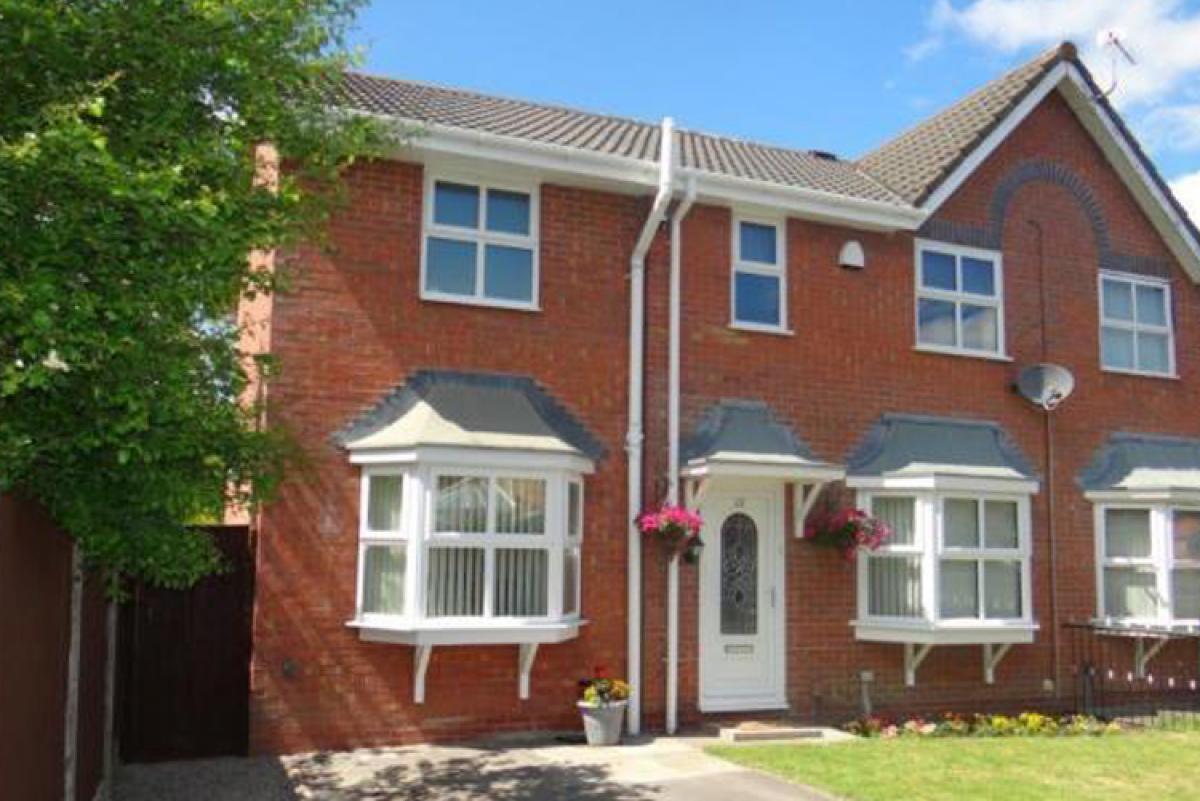
Buying your first home is an exciting milestone, but it can also be overwhelming. With so many factors to consider, it’s easy to overlook potential issues that could turn your dream home into a costly mistake. To help you navigate the process, here are some key things to watch out for when purchasing your first property.
1. Don’t Overpay – Know the Market Value
One of the biggest mistakes first-time buyers make is overpaying for a property. It’s crucial to research the local market to ensure you’re getting a fair price. Compare similar homes in the area, check recent sale prices, and be cautious if a house seems overpriced compared to others nearby. If you’re unsure, consider getting an independent valuation before making an offer.
2. Watch Out for Hidden Damp Issues

Damp is one of the most common (and costly) issues in homes, and sellers may try to cover it up—especially in spring and summer when it’s less noticeable. Fresh paint, wallpaper, or strategically placed furniture can mask telltale signs. Be on the lookout for musty smells, discolored patches on walls or ceilings, and peeling paint or wallpaper. If in doubt, a professional survey can detect damp problems that might not be visible during a viewing.
3. Leaks and Plumbing Problems
Water leaks can lead to serious structural damage and costly repairs. Check under sinks, around radiators, and in the bathroom for any signs of leaks. Look for water stains on ceilings, which could indicate a leaking roof. Even small leaks can lead to long-term damage, so it’s best to address these issues before buying.
4. Subsidence – A Costly Structural Issue

Subsidence occurs when the ground beneath a property shifts, causing cracks and structural problems. While small hairline cracks in walls are often harmless, wider cracks (especially those running diagonally) could be a sign of subsidence. Doors and windows sticking or becoming misaligned can also be red flags. A professional survey can help assess whether there’s a real issue.
5. The Condition of the Roof
Roof repairs can be expensive, so always check its condition. Missing tiles, sagging areas, or moss buildup can indicate a roof that needs work. Ask how old the roof is and when it was last maintained—replacing a roof can cost thousands, so it’s better to know what you’re dealing with before committing to a purchase.
6. Electrical and Heating Systems
Older homes may have outdated wiring, which can be dangerous and costly to replace. Check if the electrics have been updated and whether the home has an up-to-date electrical safety certificate. Similarly, ask about the age of the boiler and heating system—an old or inefficient system could lead to high energy bills or unexpected replacement costs.
7. Check for Planning Restrictions and Future Developments
Before you buy, check if there are any planning restrictions on the property or if there are major developments planned in the area. A quiet neighborhood could soon become a construction site, affecting your quality of life and the property’s future value. Local council websites usually have information on planned developments.
Final Thoughts
Buying your first home is a big step, and it’s essential to go in with your eyes open. By taking the time to check for issues like damp, leaks, subsidence, and overpriced properties, you can avoid costly surprises down the line. A professional survey is always a good investment, giving you peace of mind before committing to what will likely be the biggest purchase of your life.
Remember, patience and thorough research are key to finding the right home at the right price. Happy house hunting!